As a blogger living close to Manchester city centre, it’s great to get out of the city and explore some historical sites and enjoy what nature has to offer. I recently purchased a National Trust membership, and I have compiled a list of sites within an hour of Manchester city centre. Each entry includes the distance from Manchester city centre and the time it would take to drive there. So here’s my list of National Trust sites less than an hour away from Manchester city centre.
🏰 1. Dunham Massey
📍 Distance: 12 miles from Manchester city centre
⏱ Drive time: 25–35 minutes
History:
Dunham Massey has a long and layered history dating back to medieval times, though the elegant Georgian mansion that stands today was largely developed in the 18th century. The estate was the ancestral home of the Stamford family for generations, and their influence is seen in every architectural detail. During the First World War, the house was transformed into a military hospital, treating hundreds of soldiers wounded on the Western Front. The estate’s deer park was once a hunting ground, and over time it evolved into a carefully landscaped space, blending natural beauty with aristocratic grandeur. This is one of my favourite National Trust sites, taking less than an hour to get there from Manchester.
Visitor Experience:
Today, Dunham Massey is one of the most beloved National Trust properties in the North West. Its 300-acre parkland is home to herds of fallow deer that wander freely, making it a favourite spot for photographers and families. The gardens change dramatically with the seasons—snowdrops and tulips in spring, lush greenery in summer, and fiery leaves in autumn. Walking paths meander through ancient trees, ornamental gardens, and around a picturesque lake. The house itself offers fascinating exhibits on its wartime role and aristocratic past. With a great café, picnic spots, and a welcoming atmosphere, it’s the perfect countryside escape just outside the city.
🏞 2. Lyme Park
📍 Distance: 17 miles from Manchester city centre
⏱ Drive time: 30–45 minutes
History:
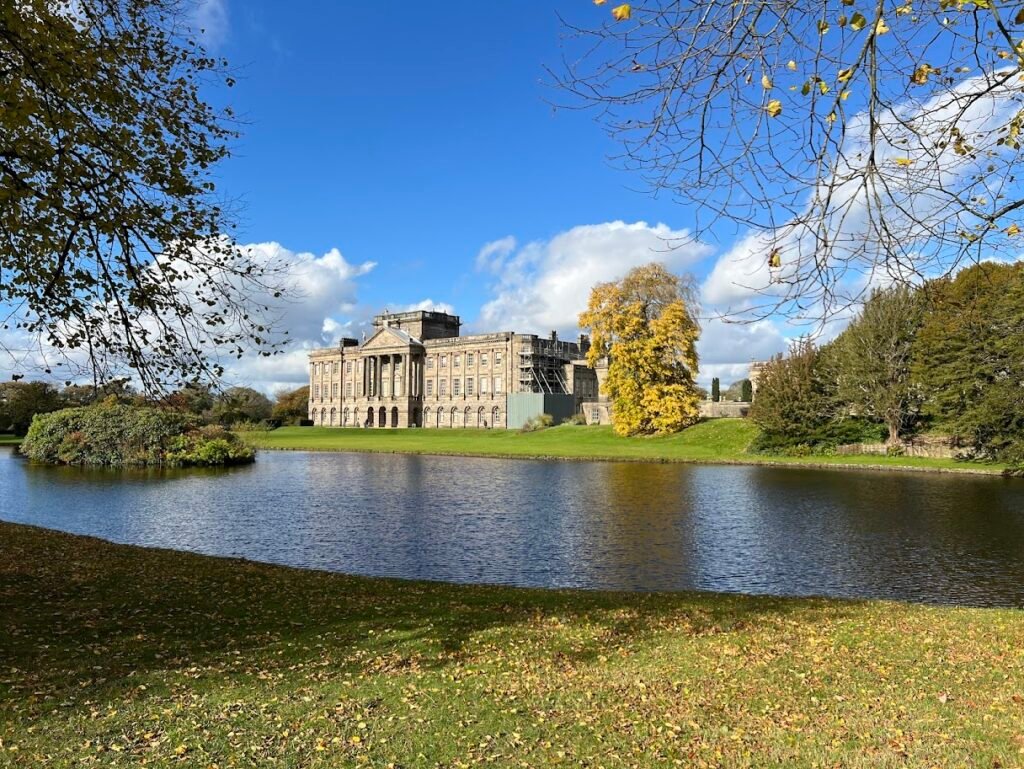
Lyme Park began as a Tudor house before being transformed into the grand Palladian mansion we see today. Owned by the Legh family for over six centuries, its architecture reflects centuries of wealth and changing tastes. The estate covers more than 1,400 acres on the edge of the Peak District, offering sweeping views and dramatic landscapes. Lyme gained fame as the filming location for Pride and Prejudice (1995), where it stood in for Pemberley. The house contains opulent rooms, a library, and portraits that tell the story of an influential family whose fortunes were closely tied to England’s changing political and social landscape.
Visitor Experience:
A visit to Lyme Park offers something for everyone. History lovers can explore the lavish interiors, including the Long Gallery and ornate dining rooms. Walkers and families enjoy the extensive grounds, from manicured gardens to rugged moorland trails. The deer park is enchanting, especially in autumn when the stags rut. A walk up to The Cage—a tower on the hill—rewards you with panoramic views over Manchester and the Peaks. There’s also a play area for children and a popular café for refreshments. Whether you’re after a gentle stroll, a challenging hike, or a cultural outing, Lyme Park delivers.
🧵 3. Quarry Bank Mill
📍 Distance: 12 miles from Manchester city centre
⏱ Drive time: 30–40 minutes
History:
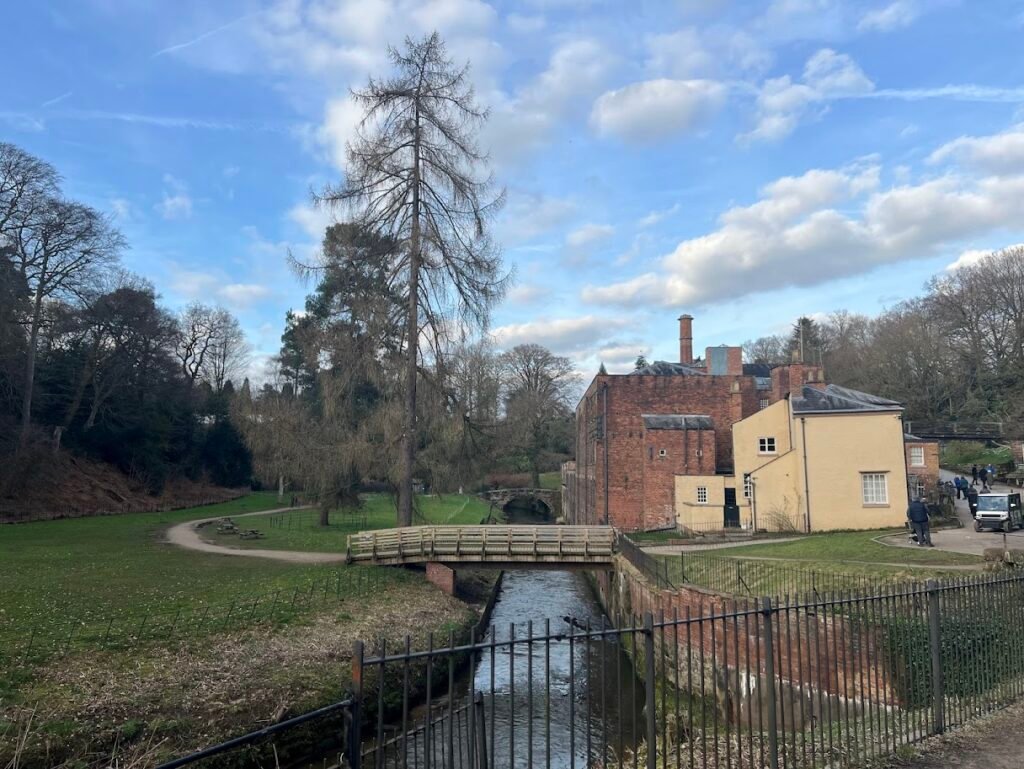
Quarry Bank Mill is one of the best-preserved textile mills in Britain, built in 1784 by Samuel Greg during the rise of Manchester’s cotton industry. Powered initially by water and later by steam, it became a model of early industrial innovation. The Apprentice House, where child labourers lived under strict conditions, reveals the harsh realities of mill life in the 19th century. Quarry Bank wasn’t just a mill—it was the centre of an entire working community, including Styal Village, which still stands nearby. The site reflects both the ambition of industrial pioneers and the human cost of progress.
Visitor Experience:
Today, Quarry Bank offers a unique combination of history and nature. Inside the mill, you can watch original machinery clatter into action, bringing the Industrial Revolution vividly to life. Guided tours of the Apprentice House give a sobering but fascinating insight into child labour. Outside, walking trails follow the River Bollin through peaceful woodland, providing a striking contrast to the roar of the mill. Styal Village’s cobbled streets and stone cottages are ideal for leisurely exploration. With a café, picnic areas, and events throughout the year, it’s a full day out that appeals to history buffs, families, and walkers alike.
🌳 4. Tatton Park
📍 Distance: 18 miles from Manchester city centre
⏱ Drive time: 30–40 minutes
History:
Although Tatton Park is managed by Cheshire East Council, it remains part of the National Trust portfolio and is one of Cheshire’s best-known heritage sites. The estate’s history stretches back to the medieval period, but the neoclassical mansion we see today was built in the late 18th century by the Egerton family, who were prominent landowners and politicians. The house was designed to impress, with elegant drawing rooms, libraries, and collections that reflected their wealth and interests. Over the centuries, the estate expanded to include formal gardens, a working farm, and thousands of acres of parkland.
Visitor Experience:
Tatton Park offers a remarkably diverse day out. Visitors can explore the grand interiors of the mansion, wander through meticulously landscaped gardens, and visit the farm to meet rare-breed animals. The deer park is vast and scenic, ideal for long walks or picnics. Seasonal events, including food festivals, classic car shows, and Christmas markets, draw large crowds. The parkland also has excellent cycle paths and running routes. With its combination of culture, countryside, and family-friendly attractions, Tatton Park is perfect for a relaxed yet full day trip. This is one of the larger National Trust sites around Manchester, taking well under an hour to get there.
🏡 5. Little Moreton Hall
📍 Distance: 33 miles from Manchester city centre
⏱ Drive time: 50–60 minutes
History:
Little Moreton Hall is one of England’s most iconic Tudor houses, instantly recognisable for its wonky black-and-white timber frame. Built in stages between 1504 and 1610 by the Moreton family, the house was a display of wealth and status during a period of relative stability in Tudor England. Remarkably, it has survived almost untouched through the centuries, even as fashions and ownership changed. Its higgledy-piggledy appearance isn’t a trick—it’s genuinely warped over time due to its construction methods, giving it an almost storybook charm.
Visitor Experience:
Visiting Little Moreton Hall feels like stepping straight into the 16th century. Inside, uneven floors, intricately carved woodwork, and painted walls offer a fascinating glimpse into Tudor domestic life. Costumed guides and tours bring stories of the Moreton family vividly to life. Outside, the small but lovely knot garden and orchard provide a peaceful setting for a stroll. The tearoom is cosy, and the moat reflects the house beautifully on sunny days. It’s slightly further from Manchester, but the atmosphere is so unique that it’s absolutely worth the drive.
🌼 6. Hare Hill
📍 Distance: 20 miles from Manchester city centre
⏱ Drive time: 40–45 minutes
History:
Hare Hill is a charming walled garden set within a larger National Trust estate near Alderley Edge. The gardens were created in the 20th century by the Brocklehurst family, with a particular focus on horticultural design and seasonal plantings. While the house itself is not open to the public, the gardens have been carefully preserved to showcase a wide variety of flowering plants and shrubs. Over the years, Hare Hill has become especially famous for its spring displays, including magnolias, azaleas, and rhododendrons.
Visitor Experience:
A visit to Hare Hill is all about peaceful immersion in nature. Winding paths lead through colorful flower beds, around a small orchard, and along serene woodland walks. Birdsong fills the air in the mornings, and the gardens are ideal for photographers or anyone seeking a tranquil retreat. Benches are scattered throughout the gardens, making it easy to pause and take in the surroundings. The site is relatively quiet compared to larger National Trust estates, providing a more intimate and relaxed experience. It’s perfect for a spring or summer visit, although autumn brings a warm palette of foliage that’s equally beautiful.
🌿 7. Alderley Edge
📍 Distance: 17 miles from Manchester city centre
⏱ Drive time: 35–40 minutes
History:
Alderley Edge is a striking sandstone escarpment with a long history, including ancient mining activity and a wealth of local folklore. Legends speak of a wizard who guards a treasure trove of sleeping knights beneath the hill, lending a magical air to the area. Historically, the Edge has been a mix of woodland and open heath, used by local communities for timber, hunting, and mineral extraction. Its dramatic landscape has inspired countless writers and artists over the centuries.
Visitor Experience:
Today, Alderley Edge is a haven for walkers, nature enthusiasts, and families. Footpaths wind through the woodlands, across heathland, and up to the top of the escarpment, offering panoramic views over the Cheshire Plain. The area is perfect for short or longer walks, with opportunities to explore caves, old mines, and the charming village at the base. Wildlife spotting is popular, with birds, rabbits, and squirrels frequently seen along the trails. The combination of myth, dramatic scenery, and accessible trails makes Alderley Edge a uniquely enchanting day trip.
🏖 8. Formby
📍 Distance: 44 miles from Manchester city centre
⏱ Drive time: 55–60 minutes
History:
Formby’s coastline has been shaped over thousands of years, with dunes, pine forests, and sandy beaches forming a distinctive habitat. The area was acquired by the National Trust to protect its fragile dunes and the rare red squirrel population. Formby is not just about natural beauty; it has a long human history, with evidence of settlement dating back to Roman and Viking times. Conservation efforts ensure the landscape remains intact while allowing visitors to experience the coast responsibly.
Visitor Experience:
Formby offers a perfect mix of coastal walks, wildlife spotting, and family-friendly recreation. The long stretches of sand are ideal for walks, picnics, or simply watching the waves. Pinewood trails wind through the dunes and forests, where the famous red squirrels can often be glimpsed. There are boardwalks for easier access, making the area suitable for strollers and casual walkers. In addition, seasonal birdwatching opportunities and information points make it an educational visit as well as a scenic escape. It’s especially refreshing during warmer months but can be magical in misty winter weather too.
🏯 9. Speke Hall
📍 Distance: 32 miles from Manchester city centre
⏱ Drive time: 60 minutes
History:
Speke Hall is a striking Tudor manor house located near Liverpool. Built in the late 15th and early 16th centuries, it features dark timber framing, gabled roofs, and original interiors that reflect centuries of aristocratic life. The house also has a fascinating history of religious conflict, with priest holes hidden within the walls during periods of Catholic persecution. Over the years, the estate has remained remarkably intact, with gardens and woodlands preserving its historic character.
Visitor Experience:
Visiting Speke Hall is like stepping back in time. Inside, visitors can explore ornate woodwork, hidden staircases, and period rooms that tell stories of the families who lived there. Outside, formal gardens and a maze offer a playful contrast to the house’s historic gravity, while riverside walks provide peaceful natural scenery. The site is family-friendly, with trails and activities for children, and the on-site café is ideal for a refreshment break. Speke Hall offers a rich mix of history, gardens, and woodland walks, making it a full-day experience.
🪵 10. Rufford Old Hall
📍 Distance: 33 miles from Manchester city centre
⏱ Drive time: 45–55 minutes
History:
Rufford Old Hall is a quintessential Tudor house with a rich history stretching back to the 15th century. Once home to the Hesketh family, it features a Great Hall, timber framing, and historic interiors that have been carefully preserved. It’s said that William Shakespeare may have performed in the hall, highlighting its significance as a cultural and social centre in the region. The gardens were developed over centuries and include a mixture of formal layouts and naturalistic plantings.
Visitor Experience:
Rufford Old Hall offers a serene, intimate experience for visitors. The house interiors provide fascinating insights into Tudor domestic life, while the gardens and surrounding woodland paths are ideal for gentle walks. Benches throughout the grounds make it easy to pause and enjoy the scenery, and the gardens are particularly colourful in spring and summer. Visitors can enjoy self-guided tours or take advantage of seasonal guided tours that highlight the house’s architecture and stories. It’s a peaceful and historically rich destination, perfect for a half- or full-day outing.
🏡 11. Nether Alderley Mill
📍 Distance: 18 miles from Manchester city centre
⏱ Drive time: 35–40 minutes
History:
Nether Alderley Mill is a beautifully preserved 17th-century watermill, originally used to grind grain for the local community. Built on the River Alderley, it has retained much of its original machinery and layout, giving visitors a clear sense of traditional milling practices. The mill is closely linked with nearby Alderley Edge, reflecting the agricultural and industrial history of Cheshire. Over the centuries, it has undergone careful restoration to ensure that its historical integrity remains intact.
Visitor Experience:
Today, the mill is a fascinating destination for families and history enthusiasts. Visitors can watch the waterwheel in motion, learn about milling techniques, and explore the charming mill pond and surrounding woodland walks. The site offers an intimate experience of rural life in historic Cheshire, with informative signage explaining both the mill’s workings and its social history. It’s a peaceful place to enjoy a gentle stroll and a picnic, making it ideal for a relaxed day out.
🏘 12. Styal Village
📍 Distance: 12 miles from Manchester city centre
⏱ Drive time: 25–30 minutes
History:
Styal Village was built in the 19th century as a purpose-built community for workers at Quarry Bank Mill. The stone cottages, cobbled streets, and village church reflect Victorian design and social planning, with the aim of providing decent living conditions for industrial workers. The village is historically significant as it demonstrates early examples of employer-led welfare and industrial-era community planning.
Visitor Experience:
Visitors can wander through the quaint streets of Styal Village, which feel remarkably preserved in time. Walking along the cobbled paths and exploring the village church gives a sense of daily life for mill workers in the 1800s. Combined with a visit to Quarry Bank Mill, it makes for a full day of history, while the nearby river and woodland offer peaceful walking trails. The village is quiet and reflective, perfect for those who enjoy immersive historical experiences.
🌁 13. Castlefield Viaduct
📍 Distance: In Manchester city centre
⏱ Drive time: 0 minutes
History:
The Castlefield Viaduct is a historic Victorian railway structure that has recently been transformed into an urban green space by the National Trust. Originally part of Manchester’s industrial rail network, the viaduct played a key role in connecting the city’s canals, warehouses, and factories during the 19th and early 20th centuries. Its conversion into a “sky garden” preserves the structure while giving it a new, community-focused purpose.
Visitor Experience:
Today, the Castlefield Viaduct offers a unique urban walking experience. Lush planting, seating areas, and curated landscaping transform the old railway into a peaceful elevated garden above the city streets. Visitors can stroll along the viaduct and enjoy views of Manchester’s canals, historic warehouses, and cityscape. It’s particularly striking at sunset and provides an accessible, family-friendly urban escape without leaving the city.
🌳 14. Gawsworth Hall
📍 Distance: 23 miles from Manchester city centre
⏱ Drive time: 45 minutes
History:
Gawsworth Hall is a Tudor manor house with origins dating back to the 15th century. Built for the Fitton family, the hall features historic timber framing, ornate plasterwork, and centuries of layered architecture. The estate has witnessed local historical events and has long been celebrated for its gardens and picturesque setting, even though it is technically not National Trust-owned—it is often included in regional heritage listings.
Visitor Experience:
Visitors can enjoy the gardens and parkland surrounding Gawsworth Hall, which are beautifully maintained with flower beds, lawns, and ornamental ponds. Occasional events such as theatre performances and garden tours bring the estate to life. The combination of historic architecture and tranquil green space makes it an excellent destination for history buffs and photographers. A walk around the grounds offers a peaceful escape with plenty of visual interest.
🌲 15. Alderley Edge to Hare Hill Circular Walk
📍 Distance: 18 miles from Manchester city centre
⏱ Drive time: 35–40 minutes
History:
This route links two National Trust properties—Alderley Edge and Hare Hill—through a landscape that has been shaped by centuries of human use and natural processes. Historically, Alderley Edge was a mining area and a landmark for local communities, while Hare Hill’s gardens were developed in the 20th century. The combination of these sites reflects both industrial and horticultural heritage.
Visitor Experience:
The circular walk is a favourite with local walkers for its mix of woodland, heathland, and landscaped gardens. The trail is accessible for moderate walkers and provides spectacular views across Cheshire and beyond. Along the way, there are opportunities to spot wildlife, including birds and squirrels, and to enjoy seasonal flowers and trees. The route combines gentle strolls with more invigorating climbs, making it ideal for both casual visitors and keen walkers.
🏔 16. Kinder Scout (Edale)
📍 Distance: 28 miles from Manchester city centre
⏱ Drive time: 50–60 minutes
History:
Kinder Scout is famous for the 1932 mass trespass, a pivotal event in the fight for public access to Britain’s moorlands. The plateau has been a natural feature for thousands of years, formed by millennia of glacial activity, and historically it was used for grazing and small-scale mining. Today, Kinder Scout is part of the Peak District National Park and managed in part by the National Trust to preserve its rugged, open landscape.
Visitor Experience:
For visitors, Kinder Scout offers a sense of wildness and adventure rarely found so close to a major city. Walking routes vary from gentle valley strolls to challenging hikes across the plateau. From the top, the panoramic views of the Peaks and Manchester in the distance are breathtaking. It’s ideal for keen walkers and nature lovers seeking open moorland, streams, and waterfalls. A trip to Kinder Scout is both a physical challenge and a historical journey.
🌿 17. The Hollins (Bollington)
📍 Distance: 18 miles from Manchester city centre
⏱ Drive time: 35–40 minutes
History:
The Hollins is an area of woodland and open countryside on the western edge of the Peak District. Historically, it was part of larger estates used for grazing and timber production. The National Trust has preserved the woodland and paths, ensuring that the natural habitat remains undisturbed while allowing public access.
Visitor Experience:
Today, The Hollins is a favourite for peaceful walks and local hikes. Paths wind through mixed woodland, open meadows, and small streams, offering a variety of landscapes in one short visit. The trails are suitable for families and casual walkers, with scenic spots for picnics and photography. Seasonal wildlife is abundant, including birds, rabbits, and deer in some areas. It’s a quieter alternative to the more popular Peak District sites, making it perfect for reflective outdoor time.
🏞 18. Marsden Moor Estate
📍 Distance: 25 miles from Manchester city centre
⏱ Drive time: 45–55 minutes
History:
Marsden Moor Estate is a vast expanse of upland moor managed by the National Trust. Historically, the area was used for grazing, peat cutting, and small-scale farming. Its open moorland is typical of the South Pennines and has inspired local artists, writers, and photographers for generations. Conservation efforts have focused on preserving the heather, peatlands, and wildlife habitats.
Visitor Experience:
Walking on Marsden Moor offers dramatic, wide-open landscapes and a real sense of freedom. Trails range from easy routes near reservoirs to challenging hikes across the rugged moor. In late summer, the heather blooms purple across the hills, creating a spectacular backdrop. It’s also a prime spot for birdwatching and nature photography. With car parks and waymarked trails, the moor is accessible for a variety of visitors seeking solitude or adventure.
🌊 19. Standedge & South Pennine Waterways
📍 Distance: 25 miles from Manchester city centre
⏱ Drive time: 45–55 minutes
History:
Standedge is home to Britain’s longest canal tunnel, part of the Huddersfield Narrow Canal. The area has a long industrial history, including waterway trade, textile mills, and mining in the Pennines. National Trust management helps preserve the natural beauty and heritage of the waterways while allowing public access for walking and leisure.
Visitor Experience:
Visitors can explore the towpaths along the canals, enjoy guided tours of the tunnel, or walk in the surrounding countryside. The mix of water, moorland, and historic industrial structures makes it an interesting and scenic destination. Families, walkers, and history enthusiasts alike will find plenty to enjoy, from peaceful strolls to learning about Britain’s canal heritage.
🪨 20. Shutlingsloe & Hollin Bank
📍 Distance: 25 miles from Manchester city centre
⏱ Drive time: 45–50 minutes
History:
Shutlingsloe, known as the “Matterhorn of Cheshire,” is a distinctive hill shaped by ancient geological processes. Historically, it was used for grazing and later for recreational purposes as hiking became popular. Hollin Bank, nearby, has been part of the same rural landscape, with woodlands preserved for public enjoyment.
Visitor Experience:
The climb to Shutlingsloe’s summit is moderately challenging but highly rewarding, offering panoramic views over Cheshire, the Peak District, and even Manchester on clear days. Trails wind through woodland and open moor, with wildlife and seasonal flowers along the way. The area is ideal for photographers, walkers, and anyone seeking a mixture of exercise and scenic reward.
🚶 21. Lyme–Disley Canal Walk
📍 Distance: 17 miles from Manchester city centre
⏱ Drive time: 30–45 minutes
History:
The Lyme–Disley Canal Walk follows a historic route along the Macclesfield Canal, which was originally used to transport goods during the Industrial Revolution. The canal linked industrial towns with larger trading networks, supporting mills, farms, and local industries. National Trust management has preserved sections of the towpath and surrounding countryside, ensuring visitors can enjoy both heritage and natural beauty.
Visitor Experience:
This walk is peaceful and family-friendly, with flat towpaths suitable for gentle strolls or cycling. Visitors can enjoy wildlife along the canal, including waterfowl, dragonflies, and seasonal flowers on the banks. The route provides scenic views of Lyme Park in the distance, with opportunities to stop for a picnic or a riverside break. It’s ideal for a relaxing morning or afternoon away from the hustle of the city.
🏞 22. Lyme Bowstones Moorland Loop
📍 Distance: 17 miles from Manchester city centre
⏱ Drive time: 35–45 minutes
History:
The Bowstones are ancient carved stones believed to date back centuries, standing atop the moorland near Lyme Park. Historically, they may have served as boundary markers or ceremonial stones. The surrounding moor has been grazed and walked for generations, forming part of the Peak District’s cultural and natural heritage.
Visitor Experience:
The Bowstones Moorland Loop offers a moderately challenging hike with rewards at every turn. The stone carvings themselves are intriguing, and the paths reveal open moorland, heather, and dramatic vistas over Lyme Park and the Cheshire Plain. Walkers can enjoy the fresh air, seasonal wildlife, and panoramic photography opportunities. It’s a slightly quieter option compared to Lyme Park’s main estate trails, perfect for a contemplative walk.
🌊 23. Hollingworth Lake & Pennine Bridleway
📍 Distance: 18 miles from Manchester city centre
⏱ Drive time: 35–40 minutes
History:
Hollingworth Lake has long been an important reservoir for the Rochdale area, with origins in the 19th century. The surrounding moorland and woodland have been preserved by the National Trust to provide public access and protect habitats. Historically, the lake area became popular for leisure and recreation as industrial workers sought respite from town life.
Visitor Experience:
Visitors can enjoy lakeside walks along well-maintained paths or extend their journey onto the Pennine Bridleway for more challenging terrain. Birdwatchers and wildlife enthusiasts will find plenty to explore, including waterfowl, dragonflies, and moorland species. The area is family-friendly, with picnic spots, cafés nearby, and opportunities for gentle cycling. Hollingworth Lake combines scenic beauty, accessibility, and a sense of peaceful countryside escape.
🪨 24. Turton & Edgeworth Countryside
📍 Distance: 18 miles from Manchester city centre
⏱ Drive time: 35–40 minutes
History:
Turton and Edgeworth form part of the West Pennine Moors, with a landscape shaped by centuries of grazing, quarrying, and reservoir construction. Historically, the area supported local communities through water management and small-scale industry. National Trust management protects both the natural habitats and historical features, including reservoirs and trails used for centuries.
Visitor Experience:
The area is perfect for walkers seeking a mix of moorland, reservoirs, and woodlands. Easy to moderate trails provide spectacular views across the moors, while quieter paths allow wildlife spotting. Photographers and nature enthusiasts can enjoy the seasonal changes in scenery, from blooming heather to autumnal colours. This is a peaceful alternative to busier Peak District sites, yet still close enough to Manchester for a half- or full-day outing.
🌄 25. Dovestone Reservoir & High Moor
📍 Distance: 15 miles from Manchester city centre
⏱ Drive time: 35–45 minutes
History:
Dovestone Reservoir, near Greenfield, was constructed in the 1960s to provide water for surrounding communities. The surrounding High Moor has been part of upland grazing and small-scale farming for centuries. The National Trust manages much of the moorland to preserve habitats, peatlands, and walking paths for public enjoyment.
Visitor Experience:
The reservoir and its surrounding trails are popular with walkers, runners, and cyclists. Easy loops around the water are suitable for families, while steeper routes up the moor offer more adventurous hikes with incredible views across Saddleworth Moor and the Pennines. The site is also rich in wildlife, from ducks and swans on the water to birds and butterflies on the hillsides. Seasonal changes bring dramatic differences in scenery, making repeat visits rewarding.
🌿 26. Edale Village & Upper Booth
📍 Distance: 28 miles from Manchester city centre
⏱ Drive time: 50–60 minutes
History:
Edale is the starting point for the famous Kinder Scout plateau and has been a small farming village for centuries. Historically, it has provided shelter and resources for shepherds, walkers, and travelers crossing the Peaks. Upper Booth is a quieter nearby hamlet that retains historic architecture and stone buildings characteristic of the area.
Visitor Experience:
Visitors can enjoy a variety of walks through the valley, from gentle strolls along Edale Brook to more challenging hikes up Kinder Scout. The village itself is charming, with traditional cottages, local pubs, and small shops. Wildlife and seasonal flowers abound, and the sense of being immersed in Peak District history is palpable. It’s a must-visit for walkers and nature enthusiasts seeking authentic countryside.
🌲 27. Lyme Estate West Parkland
📍 Distance: 17 miles from Manchester city centre
⏱ Drive time: 30–40 minutes
History:
The Lyme Estate covers a vast area of parkland surrounding Lyme Park and has been shaped over centuries by aristocratic landscaping and practical land use. Deer grazing, woodland management, and historic garden features reflect centuries of planning and care.
Visitor Experience:
This section of Lyme Park is ideal for long walks, deer spotting, and quiet reflection. Open grasslands and wooded paths provide varied scenery, with benches and viewpoints for taking in the Cheshire Plain. It’s particularly enjoyable for photographers and casual walkers who want to experience the estate without visiting the main house or gardens. Seasonal changes bring a new look with every visit.
🪨 28. Alderley Edge Woodland & Mining Trail
📍 Distance: 17 miles from Manchester city centre
⏱ Drive time: 35–40 minutes
History:
The woodlands around Alderley Edge have a long history of copper and lead mining, dating back centuries. The National Trust protects both the natural environment and remnants of this industrial heritage, including mine shafts and earthworks. Legends of wizards and hidden treasures add a cultural layer to the historic landscape.
Visitor Experience:
Visitors can explore themed trails that combine woodland walks with historic interpretation. Paths wind past ancient trees, mine remnants, and rocky outcrops. Wildlife spotting is excellent, with birds, squirrels, and other woodland creatures frequently seen. The area is perfect for families and hikers alike, offering both education and outdoor recreation in a unique, atmospheric setting.
🌿 29. Biddulph Grange Garden
📍 Distance: 31 miles from Manchester city centre
⏱ Drive time: 50–55 minutes
History:
Biddulph Grange Garden was created in the Victorian era and is famous for its imaginative design, with distinct “garden rooms” representing different countries and styles. Each section reflects horticultural and cultural trends of the 19th century, making it a showcase of Victorian creativity and garden artistry.
Visitor Experience:
Walking through Biddulph Grange is like travelling the world in one garden. Visitors can explore Japanese landscapes, Egyptian-themed areas, and Italian terraces, each richly planted and carefully curated. The paths meander through dramatic planting, waterfalls, and secret corners. Photography, educational visits, and leisurely exploration are all encouraged, making it a magical experience for adults and children alike.
🏡 30. Formby Coastline (Extended Visit)
📍 Distance: 44 miles from Manchester city centre
⏱ Drive time: 55–60 minutes
History:
The Formby coastline has been shaped by natural processes over millennia, creating sand dunes, pinewoods, and tidal flats. Historically, the area supported fishing, grazing, and small settlements. The National Trust has acquired land to protect rare wildlife, including red squirrels and migratory birds, while maintaining public access for recreation.
Visitor Experience:
An extended visit to Formby allows for long walks along sandy beaches, exploration of dunes, and woodland strolls through pine forests. Wildlife spotting is a highlight, with red squirrels and a variety of birds on display. Boardwalks and visitor facilities make the area accessible, while seasonal changes offer different experiences—from wildflowers in spring to dramatic sunsets in winter. Formby provides a refreshing coastal escape from the city, ideal for a full day trip.
So, if you’re looking for a day out within an hour of Manchester, this list will hopefully have given you some inspiration!






Leave a Reply